
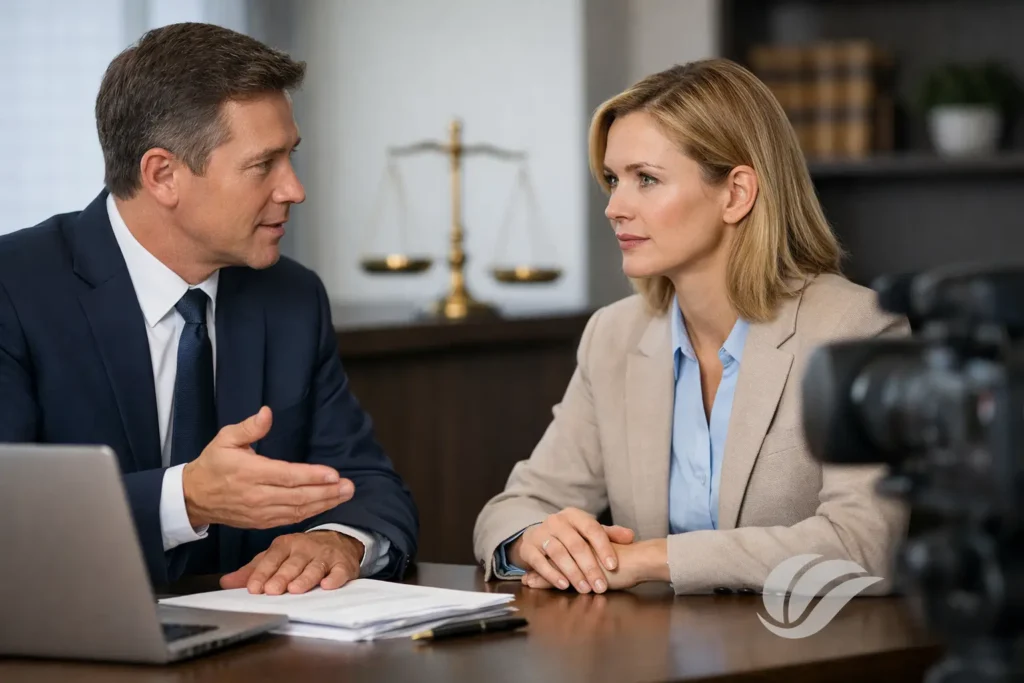
A witness can know the facts cold and still have a poor deposition. The problem is rarely just memory. It is pace, listening, phrasing, fatigue, and the pressure of answering under oath while every word is preserved for motion practice, impeachment, and trial presentation. That is why knowing how to prepare deposition witnesses is not a side task. It is part of case strategy.
For attorneys and litigation teams, strong preparation is about more than coaching someone to stay calm. It means helping the witness understand the process, recognize common traps, and give accurate testimony in a way that will hold up on paper and on video. A prepared witness is usually clearer, more disciplined, and less likely to create avoidable problems that follow the case for months.
What witness preparation should accomplish
The goal is not to script testimony. That is both risky and counterproductive. Good preparation helps the witness tell the truth clearly, answer only the question asked, and avoid volunteering information that creates confusion or opens unnecessary lines of examination.
It also helps the witness understand what the deposition actually is. Many fact witnesses assume it will feel like a meeting or conversation. It will not. It is a formal proceeding where pauses matter, wording matters, and demeanor matters. If the deposition is being video recorded, those issues become even more significant. Tone, facial expression, eye movement, and visible frustration can all affect how testimony is received later by opposing counsel, a mediator, or a jury.
That is one reason experienced legal teams treat preparation as both substantive and practical. The witness needs command of the facts, but also command of the setting.
How to prepare deposition witnesses before the session
Start early enough that preparation is thoughtful rather than rushed. A last-minute call may cover the basics, but it rarely gives the witness enough time to absorb guidance, review key events, and ask useful questions.
Begin with the witness’s role in the case. Are they a fact witness, a corporate representative, a treating provider, or a retained expert? The preparation will vary. A corporate designee, for example, may need broader knowledge and more document review than an individual witness testifying only from personal observation. A treating physician may need help distinguishing treatment facts from later assumptions. An expert may need a sharper focus on the opinions actually disclosed.
From there, review the key facts chronologically. That usually works better than reviewing documents in no particular order. A witness who can place events on a timeline is less likely to become disoriented during questioning. Where memory is limited, it is better to identify those limits in advance than to discover them under pressure.
Document review should be selective and strategic. Too much material can overwhelm the witness and blur what they actually remember independently. Too little can leave obvious gaps. The right approach depends on the witness and the subject matter, but the standard should be accuracy, not volume.
Teach the rules of answering
One of the most useful parts of deposition prep is giving the witness a reliable framework for answering questions. Most witnesses need direct instruction here because ordinary conversation habits work against them in a deposition.
A witness should listen to the full question, pause, think, and then answer. That short pause serves several purposes. It helps the witness avoid interrupting, gives counsel time to object where appropriate, and reduces the chance of blurting out a poorly framed answer.
They should answer only the question asked. If the question can be answered yes, no, or “I don’t recall,” that may be enough. Many witnesses think fuller answers make them appear cooperative. In practice, overexplaining often creates new problems, especially when the added information is imprecise.
Witnesses should also understand that guessing is dangerous. If they do not know, they should say so. If they do not remember, they should say that. If they are estimating, they should make clear that it is an estimate. Certainty where none exists is one of the easiest ways to damage credibility.
This is also the right time to discuss loaded questions, compound questions, and assumptions built into a question. A witness can ask for clarification. They can say they do not understand the question. They can correct a question that misstates prior testimony. Many witnesses do not realize they have that latitude.
Prepare for video, not just the transcript
If the deposition will be recorded, preparation should account for the visual record. That does not mean coaching image over substance. It means recognizing that testimony on video is experienced differently than testimony on a page.
A witness who appears irritated, evasive, dismissive, or overly rehearsed may create a poor impression even when the words themselves are not damaging. On the other hand, a witness who looks attentive and composed tends to present as more credible. Small habits matter more than people expect. Looking away constantly, speaking over the questioner, making jokes, or reacting visibly to objections can all undermine the record.
This is where logistics matter too. If the deposition is remote or hybrid, the witness should know where to look, how to use the platform, what to do with exhibits, and how to avoid audio delays or side conversations. Technical confusion adds stress and can interrupt the flow of testimony. For legal teams using professional video support, these issues are much easier to control before the record begins than to fix after a rough start.
Use a mock examination the right way
A practice session is often the best way to reveal real issues. It shows whether the witness becomes defensive, answers too quickly, wanders, fills silence, or struggles with dates and sequence. Those habits are hard to spot in abstract discussion. They show up immediately in a mock examination.
The key is realism. Ask short questions. Ask incomplete questions. Ask repetitive questions. Ask a fair question three different ways. That is closer to what the witness will face. Then stop and correct patterns as they emerge.
Still, there is a balance to strike. Over-rehearsal can make a witness sound stiff or memorized. That is especially risky on video. The better objective is familiarity with the process and discipline in the method of answering, not polished performance.
Address the witness’s specific vulnerabilities
Not every witness needs the same kind of preparation. Some are anxious and need structure. Some are confident to the point of carelessness. Some know the facts well but speak imprecisely. Others are thoughtful but too slow and easily rattled by aggressive questioning.
A strong prep session identifies the likely pressure points. Prior inconsistent statements, difficult documents, gaps in memory, emotionally charged events, and problematic language in emails or records should all be addressed directly. Avoiding them in preparation does not protect the witness. It usually guarantees a worse moment later.
That said, there is a difference between preparing for hard questions and trying to engineer a perfect answer. Jurors and experienced lawyers can spot testimony that sounds manufactured. Honest limits, stated clearly, usually play better than polished certainty.
Practical issues that affect performance
Witness preparation should also cover the simple issues that influence stamina and focus. Confirm the time, format, expected duration, breaks, exhibit process, and who will be present. Tell the witness what to bring and what not to bring. If the deposition is remote, confirm the room setup, camera position, internet stability, and whether anyone else will be in the room.
These details may seem minor, but poor conditions can affect testimony. A witness who is uncomfortable, distracted, or dealing with technology problems is more likely to lose concentration. In a long deposition, fatigue can change the quality of answers late in the day. Planning ahead is part of preparation, not an administrative extra.
For legal teams working under deadline, this is also where experienced litigation support makes a difference. A professionally managed video deposition reduces avoidable disruptions and helps preserve a cleaner, more usable record.
The attorney’s role during testimony
Preparation does not end when the deposition starts. The attorney defending the deposition still shapes the environment through objections, pacing, and break management. If the witness has been taught to pause and listen, that gives counsel room to protect the record where appropriate.
It also helps to remind the witness beforehand that some questions will be uncomfortable by design. Opposing counsel may use silence, repetition, documents shown out of sequence, or an assertive tone to create pressure. None of that changes the basic assignment. Listen carefully. Answer truthfully. Stop when the answer is complete.
That simple discipline is often what separates testimony that is merely survivable from testimony that is genuinely effective.
The best witness preparation is measured, candid, and practical. It respects the oath, protects credibility, and anticipates the realities of a recorded proceeding. When the witness understands both the substance and the setting, the deposition usually becomes more controlled, more accurate, and more useful to the case.